Mobile Crushing Plant vs Fixed Line for African Small Mines
Published: 2026 | Industry: African Small Scale Mining, Portable Stone Crushing, Quarry Process Selection
Introduction
Most small mines across West Africa, East Africa and Southern Africa feature scattered ore occurrences, short mining cycles, poor road infrastructure and limited construction funds. Many local miners face a critical decision when building crushing stations: invest in a stationary fixed crushing production line or purchase a wheeled/tracked mobile crushing plant.
Blind selection often causes unnecessary construction expenses, long idle periods of equipment, or high repeated transportation costs of raw ore. This article compares mobile crushing plants and fixed crushing lines based on verified on-site operation data of African small mines, covering construction cost, transportation adaptability, labor requirements, power conditions and long-term reuse value, helping African small miners make cost-effective crushing configuration decisions tailored to local mining characteristics.
Fundamental Structural & Working Differences
Fixed Crushing Line
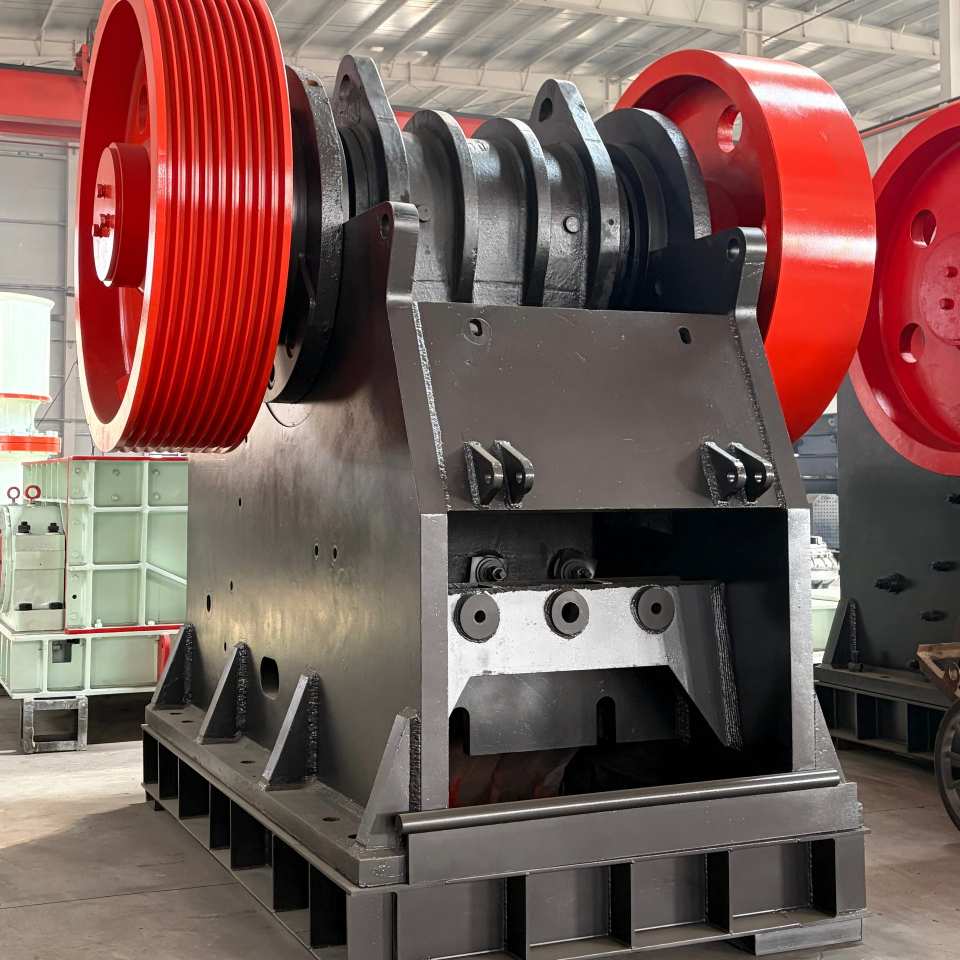
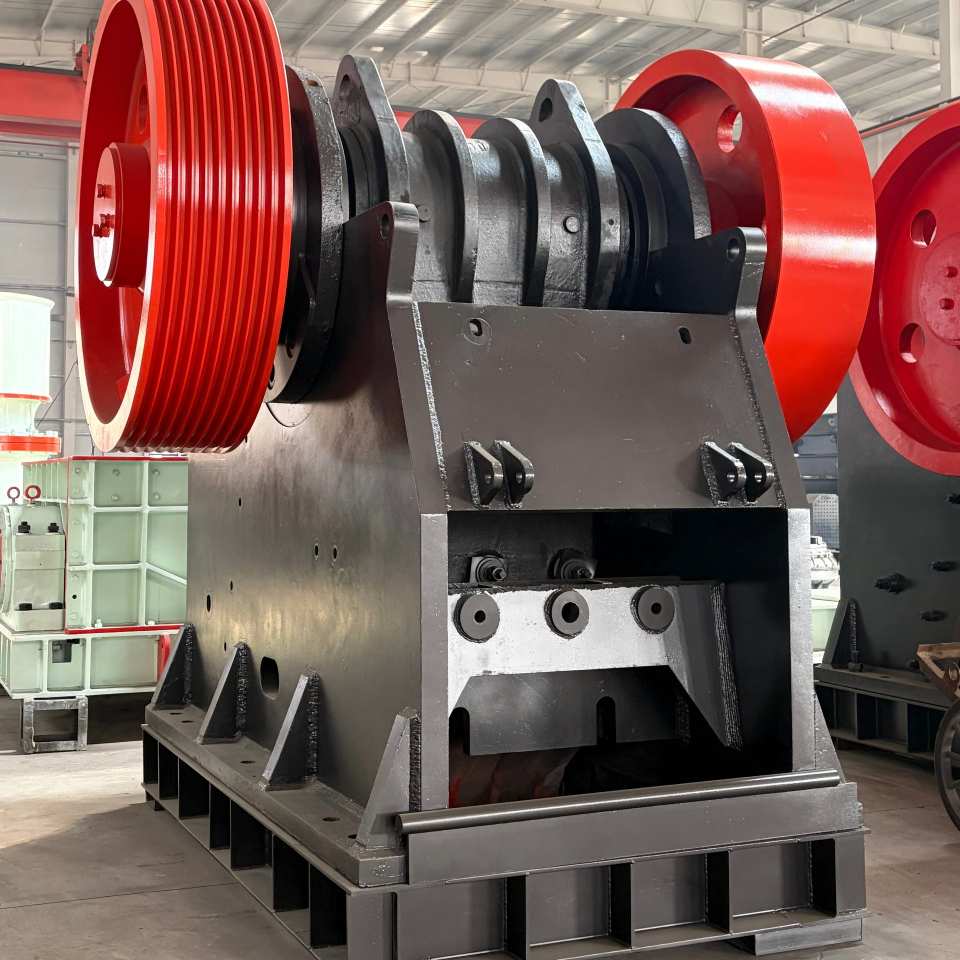
A fixed crushing system assembles independent jaw crusher, cone crusher, vibrating screen, conveyor belts and feeders on reinforced concrete foundations. All equipment is permanently anchored to a designated processing yard. Raw ore must be transported by trucks from mining pits to the fixed crushing area. The layout is customized for long-term centralized mining at a single stable ore deposit.
Mobile Crushing Plant
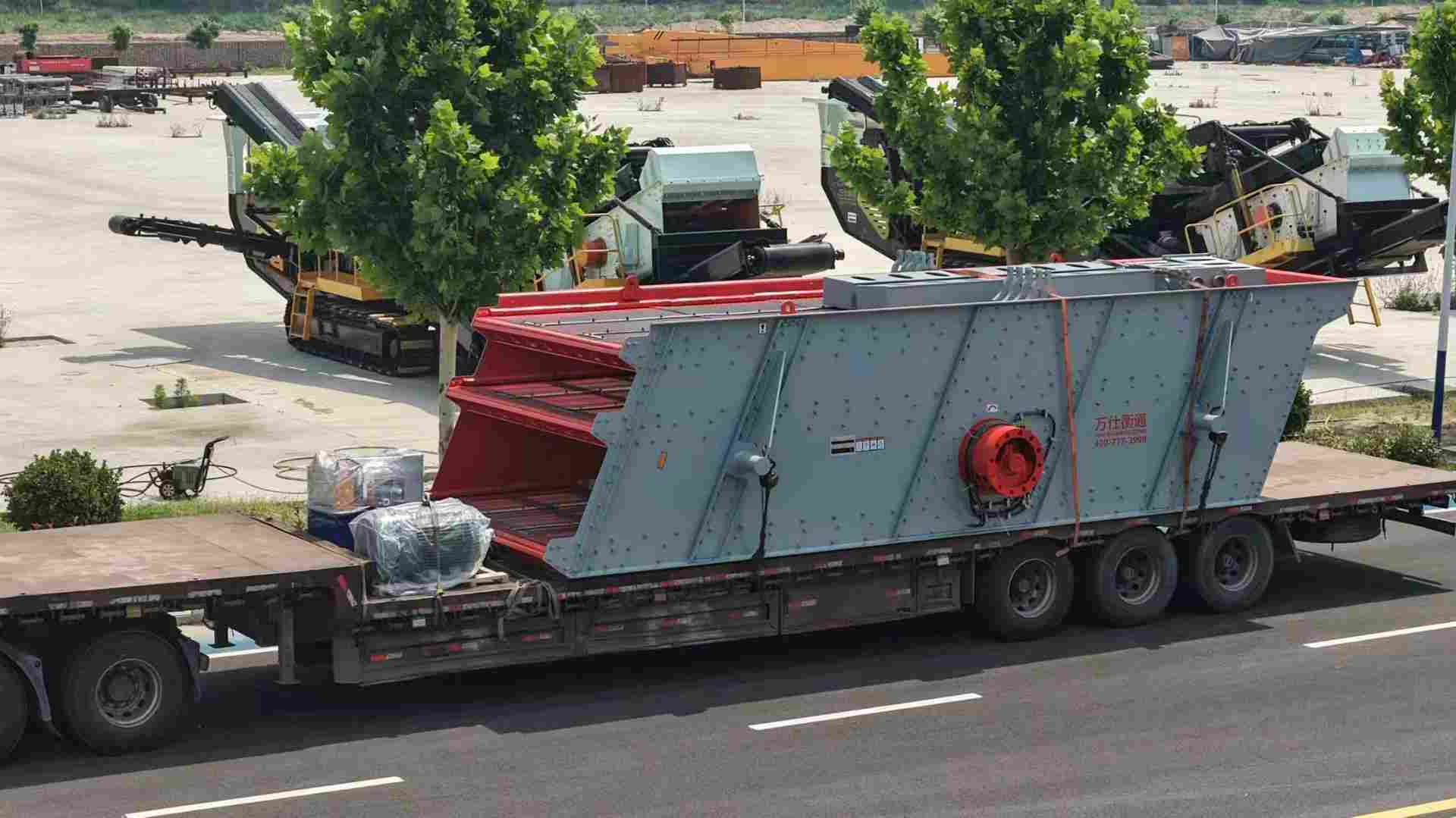
All crushing, screening and feeding equipment is mounted on integrated wheel or crawler chassis. The whole unit can be towed by trucks or driven by itself to move directly to ore blasting locations. Raw ore crushing happens on the mining face, eliminating long-distance ore hauling. The plant is designed for frequent site transfer and dispersed mining points.
Key Index Comparison Suitable for African Small Mines
1. Civil Construction Cost & Time
Fixed Line: Requires concrete foundation pouring, steel frame workshop and hardening of ore stacking yards. In West Africa, civil engineering accounts for 25%~40% of total investment, with construction cycles of 30~70 days. Remote mines face high concrete transportation costs.
Mobile Plant: No permanent concrete foundation needed; only flat compacted ground is required for placement. Civil cost is reduced by over 90%, and the plant can start crushing within 1~3 days after arriving at the mine.
2. Ore Transportation Cost (Critical for African Remote Mines)
Most rural African mines have bumpy dirt roads with expensive truck fuel. Fixed lines require all blasted rock to be hauled by truck to the crushing zone, consuming large amounts of diesel. Mobile crushers process ore right at the pit, only transporting finished aggregate, cutting truck fuel costs by 30%~60%.
3. Power Supply Adaptability
Fixed crushing lines mostly rely on stable grid electricity; frequent power outages across many African regions lead to low uptime. Most mobile crushing plants support diesel-electric dual drive, working steadily with standalone generators in areas without public power grids.
4. Site Transfer & Reusability
Fixed lines cannot be relocated; once one mining block is exhausted, all civil foundations become waste, and equipment disassembly and reinstallation cost nearly equal to new construction fees. Mobile units can be disassembled or directly towed to new mining areas within 1~4 days, usable repeatedly for multiple scattered ore sites.
5. Daily Maintenance & Labor Needs
Fixed lines have decentralized equipment, requiring 3~5 operators and maintenance workers per shift. Integrated mobile plants concentrate all equipment on one chassis, needing only 1~2 on-site operators, fitting the situation of insufficient skilled workers in African rural mining areas.
When African Small Miners Should Choose Mobile Crushing Plant
- Scattered small ore bodies, multiple mining pits that need regular site shifting
- Short-term mining projects with estimated service life less than 2 years
- Remote jungle/hilly mines without stable public power and good transport roads
- Limited total budget, unwilling to spend large funds on civil construction
- Need to rent out crushing equipment to surrounding small mines for extra income
When African Small Miners Should Choose Fixed Crushing Line
- Large continuous ore deposit with confirmed mining life longer than 5 years
- Flat terrain with stable municipal grid power and mature local highway transport
- Large daily processing capacity demand (over 150 tons per hour)
- Centralized processing for multiple adjacent mines, long-term stable aggregate sales
- Local government requires standardized permanent industrial production layout for environmental supervision
Typical Wrong Selection Mistakes in African Small Mines
Mistake 1: Build fixed line for scattered short-cycle gold ore
After ore depletion, concrete infrastructure cannot be reused, and equipment relocation costs eat up most previous mining profits.
Mistake 2: Buy small mobile plant for large long-term granite quarry
Mobile equipment has upper limits on hourly output; long-term large-scale production leads to low efficiency and high unit wear cost.
Mistake 3: Ignore diesel demand of mobile crushers in remote areas
Some remote villages have scarce diesel supply; miners fail to calculate long-term fuel cost difference between grid-powered fixed lines and diesel mobile plants.
Mistake 4: Choose cheap wheeled mobile plant for muddy rural African roads
Wheeled models get stuck easily on soft dirt roads; crawler mobile crushers are more suitable for muddy, rugged African mining terrain.
Mistake 5: Neglect local spare parts availability
Some imported mobile crusher parts are exclusive and hard to source locally, while fixed crushing equipment uses universal wear parts easier to purchase across African industrial cities.
Case Study: 70TPD Scattered Gold Mine in Southern Mali
This mining cooperative has 4 scattered small gold ore pits within a 12km radius, no stable grid power, and local roads turn muddy in rainy seasons. Initially, the team planned to build a fixed crushing line with total civil plus equipment budget of $94,000.
Adjusted Plan: Wheeled mobile jaw crushing plant with diesel generator
1. Total final investment reduced to $67,000, saving $27,000 in foundation and construction fees;
2. The mobile unit is moved between four pits every 2~3 weeks, eliminating long-distance ore trucking, monthly diesel transport cost cut by $1,450;
3. Only 2 operators run the whole crushing system, reducing monthly labor expenditure by $720;
Long-Term Benefit: After 22 months of mining, all four ore pits were mined out. The mobile plant was transported to a new mining zone for continuous production, while a fixed line would have been abandoned with no residual value.
Common FAQs for African Small Mine Operators
Q1: Is mobile crusher output lower than fixed crushing line?
A: Same model crushers have identical hourly processing capacity. The difference lies in layout flexibility, not crushing ability. Large fixed lines can connect multiple crushers for higher total throughput, which mobile units cannot match.
Q2: Are crawler mobile crushers more suitable for Africa than wheeled ones?
A: Crawler units adapt better to muddy, hilly, unpaved African mine roads. Wheeled mobile crushers suit areas with hardened flat roads and frequent highway long-distance transport.
Q3: Can mobile crushing plant match granite hard stone crushing demand?
A: Yes. Mobile jaw+cone combined units can fully process granite, basalt and other hard rocks, with the same crushing effect as fixed two-stage crushing lines.
Q4: Which option has lower comprehensive cost for 2-year temporary African mining?
A: Mobile crushing plant has far lower comprehensive cost, as it avoids unrecoverable civil construction expense and high ore transportation fees.
Get Tailored Crushing Plan for African Small Mines
Not sure whether mobile crushing plant or fixed production line fits your African mine? Provide your ore type, daily tonnage, mine location road & power situation and mining years. Our mining engineers will evaluate costs, design process layout and recommend the most economical crushing configuration.
Send your mine details now to receive equipment list, site layout drawing and detailed cost quotation!