Low Cost Gold Processing Equipment for Congo DRC Small Miners
Published: 2026 | Industry: DRC Artisanal Gold Mining, Budget Mineral Processing, Kivu/Maniema Alluvial & Hard Rock Gold, Mercury-Free Mining
Introduction
The Democratic Republic of the Congo holds massive gold reserves spread across South Kivu, North Kivu, Maniema, Katanga and Orientale provinces. Over 80% of local gold output comes from small-scale artisanal miners who face severe financial limits: low startup capital, volatile local currency exchange rates, expensive imported heavy machinery, poor rural road logistics, unstable electricity, limited access to bank loans, and expensive international shipping fees. Most local miners previously relied on hand panning, mercury amalgamation and primitive sluices, leading to low gold recovery, heavy environmental pollution, health damage and frequent gold loss of fine particles.
This article sorts out the most cost-effective, easy-to-transport, locally maintainable gold processing machinery tailored for DRC small miners. All listed equipment features low upfront investment, simple operation, compatible with diesel power, easy spare part sourcing across Bukavu, Goma, Kindu and Lubumbashi, and matches both alluvial placer gold and low-grade hard rock quartz gold widely distributed in eastern DRC. We classify gear by budget tier, adapt to DRC muddy terrain, rainy seasons and scattered small mining pits, and share field purchasing & maintenance tips for Congolese mining cooperatives.
Unique DRC Restrictions Requiring Low-Cost Machinery
- Extremely tight individual capital; most cooperatives total budget under USD 10,000 for full processing lines
- Bad mountain dirt roads in eastern DRC; bulky large machines face expensive trucking or cannot reach remote pits
- Widespread power shortage; most mines run entirely on diesel generators, raising power costs for high-consumption machines
- Long import cycle; complex customs clearance at DRC border ports delays delivery of specialized equipment
- Limited local repair technicians; complicated automated equipment cannot be fixed on-site during breakdowns
- DRC government increasingly restricts mercury usage; low-cost gravity equipment is the only legal long-term option
- Ore deposits are scattered; most mining sites are small with service life of 3–18 months, making big fixed plants uneconomical
3 Budget Equipment Tiers Suitable for DRC Small Miners
Tier 1: Ultra Low-Cost (USD 200–1,800) – Individual Miner Home/Portable Gear
- Manual sluice box + riffle mat: The cheapest mainstream option. No power needed. Works well for coarse river gold. DRC miners can build wooden sluices locally to cut costs further. Shortcoming: poor fine gold capture, low efficiency for clay-rich ore.
- Portable hand shaker table: Small gravity shaking table operated by hand crank. Recovers fine gold grains. Lightweight, easy carried on motorcycles for remote hillside pits in Kivu.
- Small mini manual trommel: Hand-rotated screen drum to wash clay gravel, solves sticky laterite clay common in eastern DRC river ore.
Tier 2: Mid Low-Cost (USD 2,000–9,500) – Small Cooperative Standard Assembly (Most Popular in DRC)
This combination is the most widely adopted across Goma, Bukavu and Kalemie, balancing cost, recovery rate and mobility.
- Small diesel trommel scrubber (5–20TPH): Built-in clay washing drum, solves DRC heavy clay ore blockage. Compact frame fits pickup trucks. Matches rainy-season muddy mining conditions.
- Portable centrifugal gold concentrator (Nelson/Knelson mini model): Core fine gold recovery unit. Consumes little diesel, runs on small generators. Captures tiny gold dust lost by sluices; overall recovery reaches 82%~90%.
- Small vibrating sluice / mini shaker table: Final concentration step to separate gold from heavy black sand.
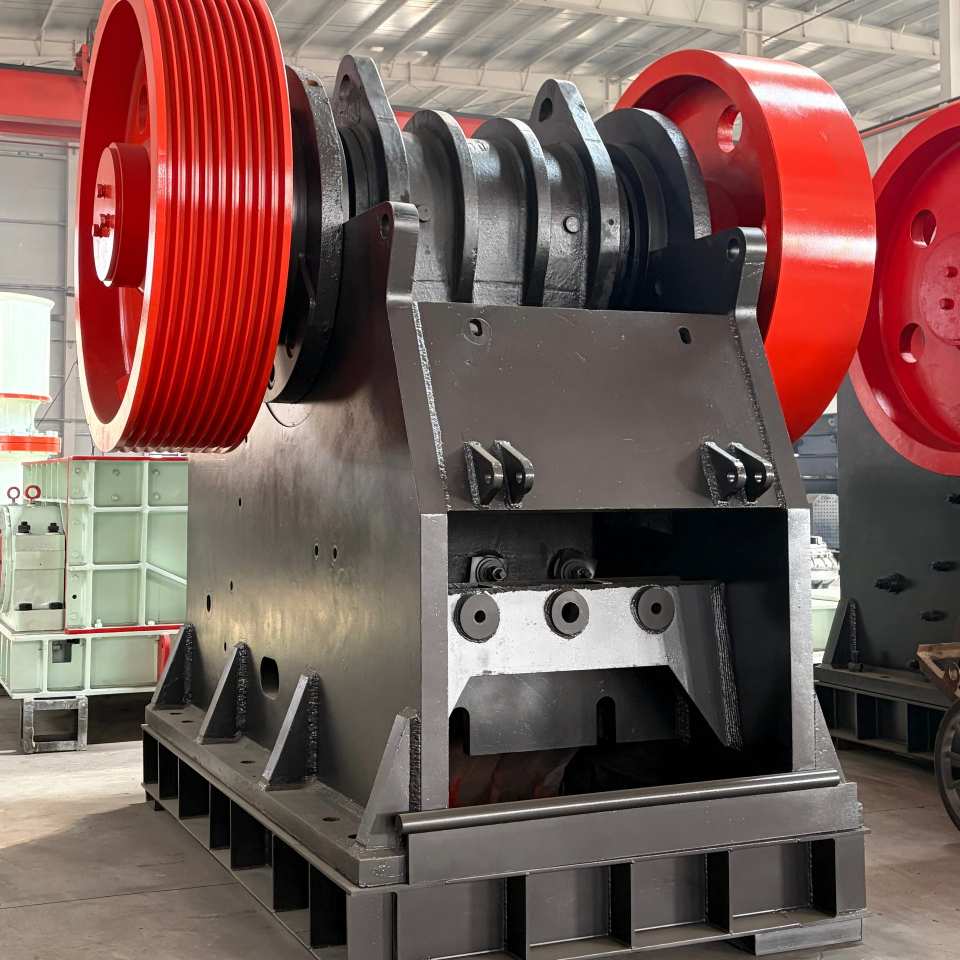
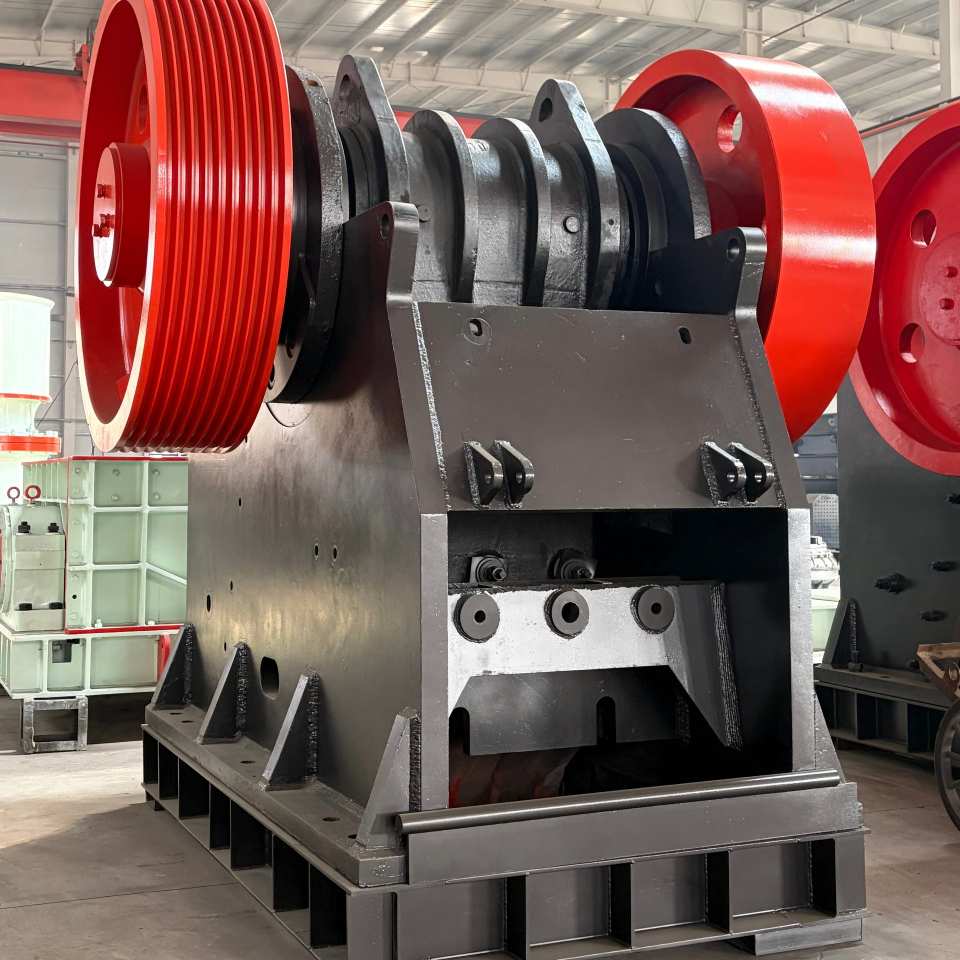
- For hard rock ore: Mini diesel jaw crusher + small ball mill: Small PE150×250 jaw crusher crushes quartz rock; 500kg small ball mill grinds ore. Total set under USD 6,000, suitable for DRC hill hard rock gold mines.
Tier 3: Economical Semi-Mobile Line (USD 10,000–25,000) – Medium DRC Mining Groups
- Trailer-mounted integrated washing plant (20–50TPH), all equipment fixed on one trailer for one-time tow to new pits
- Complete crushing-grinding-gravity flow for mixed hard rock & alluvial deposits in Maniema Province
- No cyanide required; fully gravity separation to comply with DRC environmental bans on toxic chemicals
Recommended Equipment By DRC Mining Area & Ore
| Mining Region DRC | Main Ore Feature | Best Low-Cost Equipment Combination |
|---|---|---|
| North/South Kivu (Goma, Bukavu) | River alluvial, high sticky clay, scattered small pits, bad mountain roads | Small diesel trommel scrubber + mini centrifugal concentrator |
| Maniema (Kindu) | Mixed hard rock quartz + alluvial gravel | Mini jaw crusher + small ball mill + shaking table |
| Katanga (Lubumbashi) | Relatively flat terrain, more continuous ore | Fixed small trommel + bank of sluices, lowest operating cost |
| Orientale Province | Remote jungle, only motorcycle/4WD accessible | Ultra-light manual trommel + hand shaker table |
Why These Devices Fit DRC Better Than Heavy Industrial Gear
- Low diesel consumption: All small machines match 5–20kW ordinary diesel generators commonly available nationwide in DRC towns, no need for large expensive power units.
- Easy cross-border shipping & DRC customs: Small-volume equipment has lower customs tax and clearance difficulty compared with giant processing lines.
- Universal spare parts: Motors, pumps, screen meshes, hoses can be purchased locally in Goma, Bukavu and Lubumbashi hardware markets; no long waiting for special imported accessories.
- Simple maintenance without professional technicians: No complex PLC automation. Local workers can learn disassembly, repair and replacement within 1–2 days of training.
- Mercury-free legal compliance: Pure gravity processing avoids mercury poisoning and government fines. DRC environmental departments approve these low-cost gravity machines easily.
- High reusability & resale value: Portable equipment can be resold or rented to nearby miners after local ore depletion, recovering partial investment.
Common Buying Errors for Congolese Small Miners
- Buy oversized heavy trommels unable to pass narrow mountain roads in eastern DRC, causing high rerouting transport fees
- Choose simple trommels without scrubbing function; clay encapsulates gold and cuts recovery drastically on Kivu clay ore
- Save money by skipping centrifugal machines, relying only on sluices, losing massive fine gold dust
- Purchase electric-only equipment; remote mines lack grid power and cannot run the devices normally
- Buy overly complex automated equipment; no local repair ability leads to long-term downtime once broken
Field Case: South Kivu 8-Person Mining Cooperative Cost Upgrade
A cooperative near Bukavu previously used manual sluices and mercury processing, monthly gold output 5.2 oz, with serious mercury-related worker skin disease. Total available equipment budget: USD 7,100.
Final purchase list: 10TPH diesel trommel scrubber + mini centrifugal concentrator + small shaker table, plus supporting water pump.
- Gold recovery rose from 59% to 87%; monthly gold output increased to 9.4 oz
- Mercury use completely eliminated; no more health hazards and regulatory risks
- All equipment transported by ordinary pickup truck on local mountain roads without obstacles
- Total investment payback period: 9.7 months
- After ore exhausted 18 months later, 62% of equipment cost recovered via second-hand sale to another DRC miner
Frequently Asked Questions from DRC Gold Miners
Q1: Can low-cost gravity machines fully replace mercury for DRC miners?
A: Yes. Matching trommel scrubber + centrifugal equipment captures coarse and fine gold comprehensively; mercury is no longer required, complying with DRC laws.
Q2: Is it cheaper to build processing machines locally in DRC or import?
A: Wooden sluices can be built locally to save cost. Core rotating equipment (centrifugal, crushers) must be imported; local handmade metal versions have unstable durability and low recovery.
Q3: Can these low-cost machines work with small portable diesel generators?
A: All recommended small units support low-power diesel drive; most run normally with 10–18kW generators widely sold across DRC towns.
Q4: What equipment is best for DRC jungle mines reachable only by motorbike?
A: Hand-operated mini trommel + hand-crank shaking table; ultra-lightweight, fully transportable by motorcycles with zero diesel demand.
Conclusion
Low-cost gold processing equipment is the most practical development path for nearly all small miners in the DRC. Large heavy mineral plants conflict with local poor roads, insufficient power, limited capital and scattered short-life mining pits. Tiered portable gravity machinery ranging from hand tools to small diesel-driven washing sets matches the actual geology, traffic, power and economic reality of eastern and southern Congo.
For Congolese miners, the optimal investment logic is prioritizing mobility, diesel adaptability, anti-clogging scrubbing design and easy local maintenance. As long as equipment selection follows ore type and road conditions of each province, small upfront spending delivers stable gold yield growth, removes mercury risks, cuts long-term comprehensive costs, and retains equipment residual value after mining. Low-budget mechanization helps DRC artisanal miners achieve safer, legal and more profitable gold production without heavy capital pressure.
Get Custom Low-Cost Equipment Plan for DRC Mines
Send us your mine location (DRC province), ore type (alluvial/hard rock), clay content, daily ore tonnage, transport vehicle type and generator power. We customize the cheapest equipment combination, calculate total landed cost including DRC customs, list local maintainable spare parts, and offer operating guidance tailored for Congolese mining environments.
Submit your mine parameters to receive budget breakdowns and equipment quotation adapted to DRC logistics!