How to Boost Gold Recovery Rate by 25% for Low-Grade Ore
Published: 2026 | Industry: Low Grade Gold Ore Processing, Gold Extraction Optimization
 Introduction
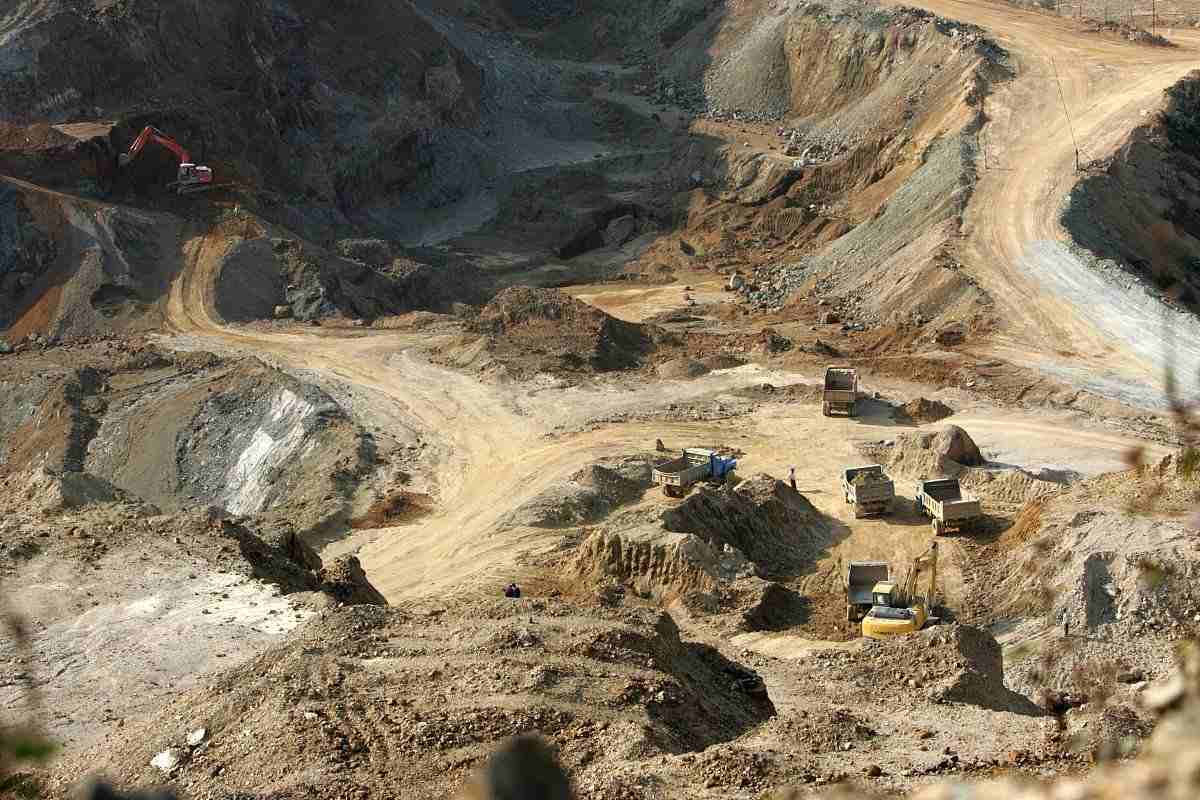
Low-grade gold ore deposits are widespread across Africa, Southeast Asia and South America. Many small and medium miners struggle with poor metal extraction results, suffering serious gold loss in tailings. Traditional simple processing lines often only achieve 50%~65% gold recovery from low-grade materials, leading to severe profit shrinkage.
Many investors mistakenly believe low gold grade means low mining value. In fact, reasonable process adjustment, matched equipment upgrade and optimized operation management can increase the overall gold recovery rate by up to 25%, greatly improving project revenue without expanding raw ore mining volume. This blog analyzes the main causes of gold loss for low-grade ore and summarizes actionable technical solutions suitable for small-scale mineral processing plants.
 Main Reasons for Low Gold Recovery of Low-Grade Ore
Before upgrading your beneficiation system, you need to figure out where gold runs off in the production line. The most common problems for low-grade gold ore are listed below:
1. Improper crushing and grinding particle size
Coarse gold particles cannot be fully liberated from gangue rock; excessive grinding causes ultra-fine gold to be lost with tailing water.
2. Ignored fine gold recycling
Simple sluice or basic shaking tables cannot capture micro-fine gold particles below 74 microns, which accounts for a large proportion of low-grade oxidized ore.
3. Unsuitable separation technology
Using single gravity separation for sulfide-associated low-grade ore will lead to massive gold wrapped in sulfide minerals.
4. Unstable feeding concentration & fluctuation ore properties
Uneven raw ore supply changes separation conditions continuously, resulting in unstable recovery efficiency.
5. Backward operation management
Workers lack standardized operation training, wearing parts are not replaced regularly, and equipment runs under abnormal status for a long time.
 Practical Solutions to Boost Gold Recovery Up To 25%
1. Optimize Crushing & Grinding Circuit to Improve Gold Liberation
Gold embedded inside rock cannot be separated. Set up closed-circuit crushing and reasonable ball mill classification to liberate gold grains fully. For low-grade oxidized ore, control grinding fineness between 0.074mm ~ 0.2mm. Avoid over-grinding ultra-fine slime.
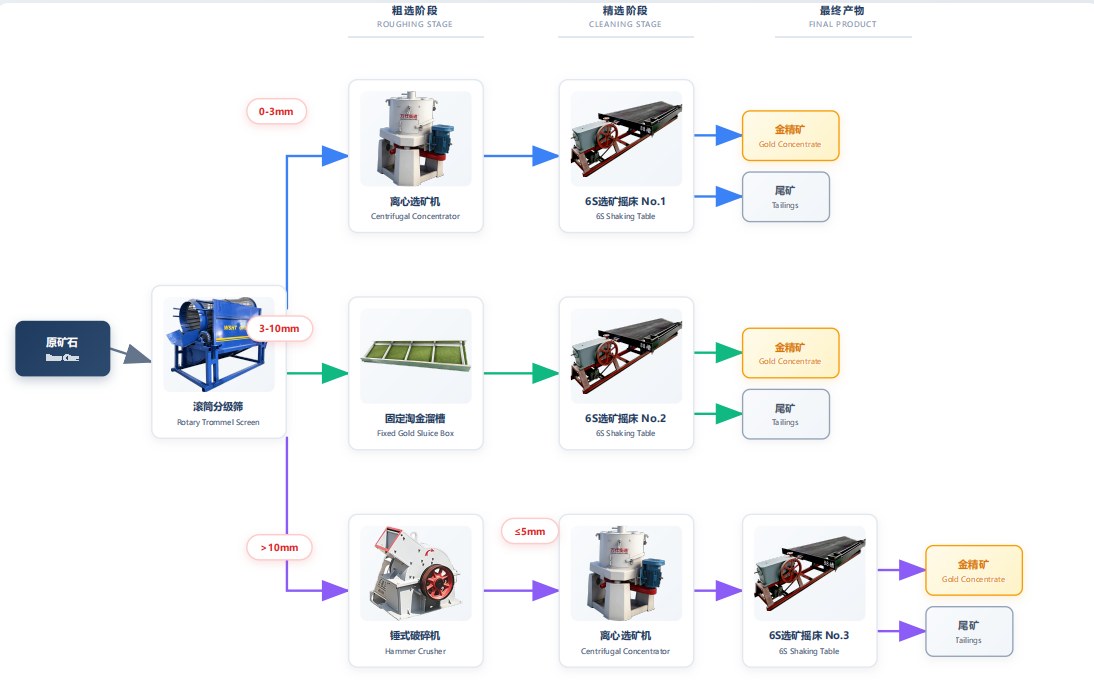
2. Add Centrifugal Gold Concentrator for Fine Gold Capture
Traditional gravity equipment loses huge amounts of fine gold. Install centrifugal concentrator before shaking tables to recover free fine gold. This single modification usually improves total recovery by 8%~15% for alluvial and oxidized low-grade gold ore.
3. Select Matching Processing Flow According to Ore Mineralogy
• Oxidized low-grade ore: Gravity separation + amalgamation / leaching process
• Sulfide contained low-grade ore: Flotation pre-concentration followed by cyanide leaching
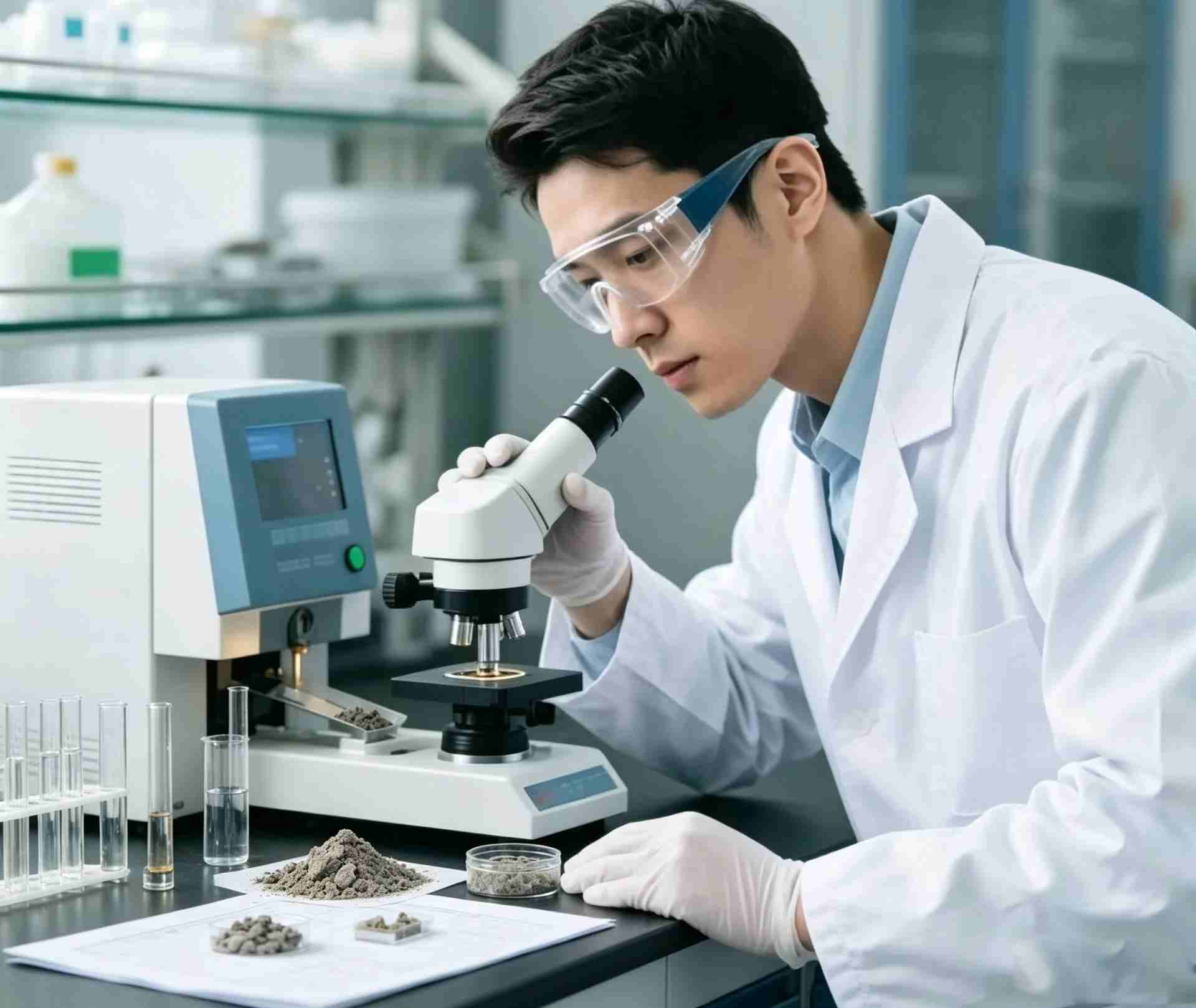
Carry out ore testing first, never copy other mine’s processing line blindly.
4. Stabilize Feeding Conditions & Water Circulation System
Install vibrating feeder to achieve uniform continuous feeding. Keep stable pulp density during separation. Adopt closed water circulation to reduce loss of suspended fine gold in wastewater discharge.
5. Regular Tailings Sampling Inspection & Equipment Maintenance
Collect tailing samples weekly to check gold content, judge whether separation equipment works normally. Replace worn liners, screen mesh and rubber parts on schedule to guarantee stable beneficiation efficiency.
Common FAQs About Low-Grade Gold Ore Recovery Improvement
Q1: Is low-grade gold ore still profitable to exploit?
A: It depends on processing cost and recovery efficiency. If you can raise recovery rate significantly and control operation expenditure, low-grade deposits can bring stable profits, especially when high-grade ore resources are gradually depleted.
Q2: Must I build a complete CIL plant to improve recovery?
A: Not necessarily. For oxidized ore, upgrading gravity separation equipment is cost-effective. CIL plant is more suitable for ore containing refractory gold. Ore testing report is the best decision basis.
Q3: How long will the equipment upgrade investment be recovered?
A: Under normal conditions, most gravity separation transformation projects can recover investment within 4~10 months based on improved gold production.
Q4: Can fine gold recovery equipment work for all types of gold ore?
A: Centrifugal concentrators perform best for free gold. If gold is tightly wrapped inside sulfide rock, flotation or leaching technology is required for further dissociation.
 Conclusion
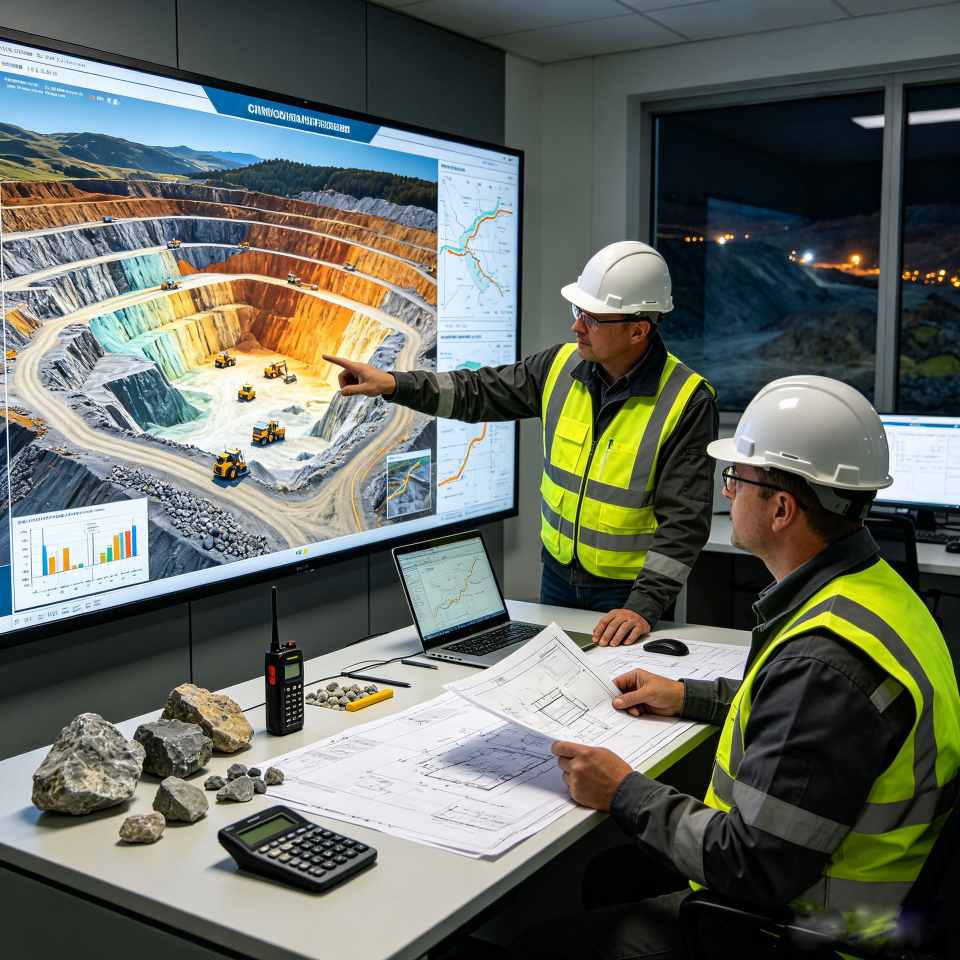
Low gold grade does not equal low profit. Huge hidden wealth is often lost in tailings due to mismatched technology and outdated equipment. Systematic optimization of crushing, grinding and separation links can help miners achieve up to 25% gold recovery growth, maximizing economic value from existing ore resources.
Before any renovation, ore sample testing and process feasibility analysis are strongly recommended to avoid blind investment and unnecessary cost waste.
Get Optimized Beneficiation Solution for Your Low-Grade Gold Ore
Want to increase your gold recovery rate and reduce tailings loss? Send us your ore sample information, ore grade and existing production line layout. Our mineral processing engineers will design targeted low-cost upgrading schemes for you.
Contact us today to receive equipment matching list, flow chart and detailed budget quotation!